Mind, Body, Go!

Mind, Body, Go!

Pages

Monday, February 22, 2016

Active Globe - Oh, The Places You Will Go!


Oh, The places you will go!

PE students in conjunction with Transitioning activities completed in PAWS are participating in a Fitness Unit titled Active Globe.

Students log kilometers of running/walking and meters of climbing to earn travel currency. This is a collaborative activity and everyone's efforts are added together for a final total. 

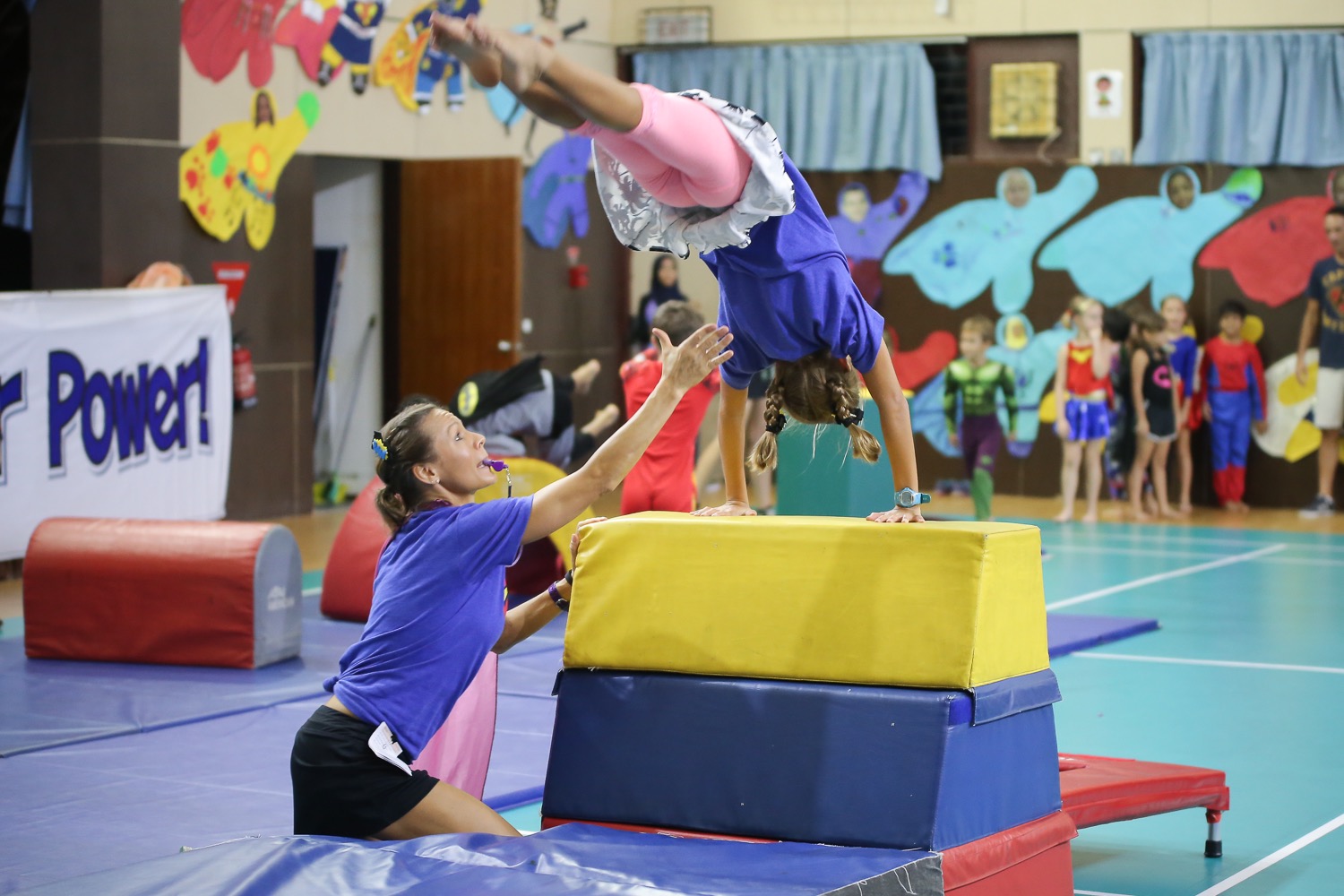
Heroes Unite - Find Your Inner Super Power


The PE Performance is always a highlight for students, teachers and staff. This year’s performance is very much student driven from the MS students demonstrating leadership skills to all students having a choice in music selection, skill choice and routine creation. It has been a pleasure to work with all PRIS students this school year. Hope you enjoyed the show!


Thursday, January 14, 2016

Incidental Exercise...Get up and Move!

January tends to be the month when we push the "restart" button. When we decide we need to refresh. Consider becoming a better mover. What are ways you can increase your movement during your day. Teachers are using brain breaks to provide more opportunities for daily movement. Some schools have added more recess time (from 20 minutes to 60 minutes). Some universities are requiring students to wear Fitbits. 

Keep in mind that a working body tends to keep the brain working as well. If your family needs a restart, this is a great month to start new goals. 


Want to know more?  Check it out...

Fitbit..Trendy?

Thursday, December 10, 2015

Friendship Games - Fitness, Friends, Fun

More and more research continues to be shared regarding the benefits of sport. While PE classes work hard to help develop the whole child, being in a "sport" can also help shape a person's character. This month over 150 students participated in the 9th Annual Friendship Games hosted by PRIS. It was a pleasure to see demonstrated through sport actions of commitment, honesty, integrity, self-discipline, friendship among many other valuable virtues.


Want to know more?  Check it out...

True Sport
A growing body of research literature finds that in addition to improved physical health, sport plays a primarily positive role in youth development, including improved academic achievement, higher self-esteem, fewer behavioral problems, and better psychosocial.29,30 Many studies focus on the effects of sport on the five “C’s”—competence, confidence, connections, character, and caring—which are considered critical components of positive youth development.31,32 It has long been thought that the many facets of playing sport—the discipline of training, learning teamwork, following the leadership of coaches and captains, learning to lose—provide lifelong skills for athletes.
Sports do not build character. They reveal it. John Wooden, Legendary UCLA Basketball Coach
The literature on youth sport stresses the positive effects of participation in learning the important life skills of goal setting and time management combined with enjoyment; the development of a strong sense of morality; and the development of an appreciation of diversity.33 Longitudinal studies have shown that children and youth participating in sport, when compared to peers who do not play sport, exhibit:

• higher grades, expectations, and attainment;34

• greater personal confidence and self-esteem;

• greater connections with school— that is, greater attachment and support from adults;

• stronger peer relationships;

• more academically oriented friends;

• greater family attachment and more frequent interactions with parents;

• more restraint in avoiding risky behavior; and

• greater involvement in volunteer work (see Linver et al.35 for a summary).

These outcomes are thought to be related to the contribution of sport to learning values and skills associated with initiative, social cohesion, self-control, persistence, and responsibility.36 Theories of positive youth development stress the importance of sport in acquiring skills that are beneficial in other domains (e.g., school, family, work) that lead to better adaptive skills.37

Thursday, October 29, 2015

Keep it Moving- Brain and Body Connection!

Students at PRIS are running their own experiments. Students in middle school are collecting data on daily activity levels, nightly sleep, and emotions. Continue to check-in to see if practicing healthy habits has a positive influence on academic skills.

Want to know more?  Check this out...

Naperville School District in Illinois, who experimented with a mandatory mile run at the very start of the school day, is a prime example. Kids in the Naperville School District not only outperformed neighboring districts, but whole countries. The eighth grade Naperville students that took the an international science test finished ahead of Singapore! As a comparison, U.S. students typically rank 18th in the world. They credit much of their academic results to a fitness-based physical education program. Yet only 6 percent of U.S. schools have physical education classes 5 times a week. In addition, 20 percent of U.S. elementary schools abolished recess in favor of increased classroom time to improve student achievement. Students who exercise, studies have shown, have better concentration and are better team players both in and out of the classroom.

Saturday, October 3, 2015

Wellness Memoirs - How will your current health habits affect your future self?

Keeping it in Balance...Middle School students are heading toward healthy lifestyles. Data driven information collected from Fitbits, NTC and other helpful apps will be used to predict their quality of health in 5 years. Stay tuned!